
Home Elevator vs Stairs Safety | Why Elevators Are a Safer Choice for Modern Homes
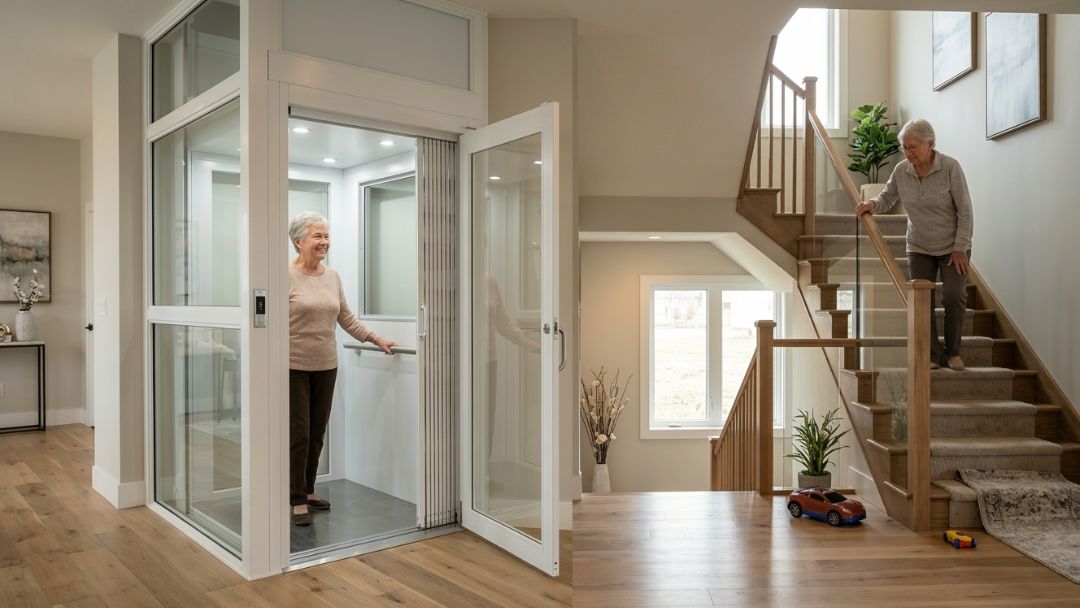
Stairways in most multi-story houses are part of everyday living and typically used without thought of the dangers involved in doing so. Accidents happen because many people slip, fall, and are unsteady on their feet in their own homes. More families are looking for ways to maximize the utility and safety of their homes by providing better access, especially as their families grow, the size of their families changes, and they want to accommodate their children, elderly parents, and anyone else who may have difficulty walking up and down stairs.
The need for safe and easy ways to get between the floors of their homes has made this need more urgent for many people than ever before. Therefore, home elevator versus stair safety begins to be discussed. Home elevators provide controlled movement between floors, are equipped with built-in safety devices, and offer owners better accessibility than traditional stairs.
Home Elevator vs Stairs Safety – Understanding the Difference
When comparing home elevator vs stairs safety, it becomes clear that both options serve different purposes in a home.
Key safety differences include:
- Risk of falls:
Stairs carry a higher risk of slips and falls, especially on steep or narrow staircases. - Physical strain:
Climbing stairs repeatedly can cause fatigue and increase the chance of losing balance. - Carrying items:
Transporting heavy items while using stairs increases the likelihood of accidents. - Accessibility:
Elevators allow easy movement for people with mobility limitations.
Common Safety Risks Associated with Stairs
Falls
Stairway-associated accidents are commonly found throughout most homes. Things such as having wet surfaces, tattered stair treads or simply being distracted bring about the possibility of losing one’s grip or balance and falling down a flight of stairs.
Elderly
As individuals grow older, they typically experience not just a decline in their balancing abilities but also in endurance. As a result of this diminished ability to balance or sustain strength, elderly individuals find it more difficult to ascend stairs, thereby subjecting themselves to even greater potential for falling down stairs.
Lifting Heavy Loads
It is commonplace to carry loads such as groceries, clothing, luggage, household appliances, etc., both up and down stairs on a daily basis. When an individual is required to carry a load while navigating the stairs, it can easily change one’s ability to maintain their balance, causing them to fall while navigating up or down the stairs.
Inadequate Lighting and Narrow Stairs
Inadequate light, angled staircases and/or narrow staircases are all factors that affect an individual’s ability to safely traverse the stairs. For those who have these issues arise in their households, many are now considering installing a residential lift due to the safety advantage it provides.
Home Elevator Safety Benefits and Built-In Features

Emergency Stop Systems
There is an emergency stop button located in all elevators for immediate use by an operator in the event that the elevator stops functioning, thereby affording the user complete control during the course of the operation.
Automatic Door Sensors
Automatic sensors used to be installed into elevator shafts so that the elevator doors are opened when there is something blocking the elevator door from closing. This protects passengers from being harmed.
Backup Power Systems
Power outages happen unexpectedly, and backup systems allow an elevator to automatically move to the first floor safely, thus enabling a passenger to get off without injury.
Smooth Start/Stop Technology
Many elevators today utilize highly developed motor technology to promote smooth acceleration and deceleration, and therefore limit any sudden jolt of an elevator.
These features highlight the many home elevator safety tips that modern systems provide compared with traditional staircases.
Safer Mobility for Elderly Family Members
A primary reason that many homeowners are considering putting a home elevator in their house is in order to help elderly relatives. As we get older, it is common for people to have trouble moving around, especially when needing to use stairs frequently. Frequent stair climbing can create problems, such as putting stress on your joints, getting tired easily, or falling.
Some of the benefits of home elevators that seniors can get from using an elevator include:
- Traveling in a way that feels safe and secure
- A decrease in falls or other injuries associated with using stairs
- Being able to live independently
Improved Safety for Children and Pets
Child-safe home elevators are important. Children and pets are naturally active and often move quickly between floors. Unfortunately, staircases can pose risks for them.
Safety concerns include:
- Children running or skipping steps while playing
- Loss of balance when carrying toys
- Pets slipping on polished stair surfaces
Elevators provide a safer alternative with controlled movement and enclosed cabins.
Additional safety advantages:
- Doors prevent accidental falls
- Sensors detect obstacles before closing
- Movement is smooth and stable
These features add to the overall home elevator safety benefits for families with young children or pets and Altivex Elevator LLC provides these.
Better Accessibility for People with Mobility Challenges
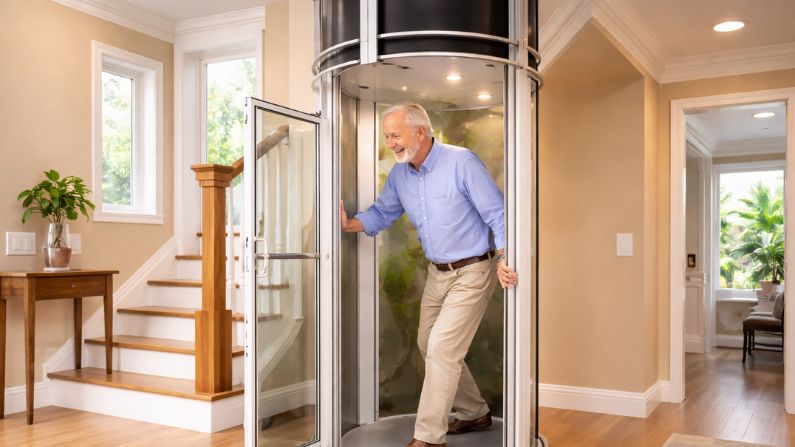
For individuals with mobility limitations, stairs can create barriers inside the home.
People who use:
- Wheelchairs (we can provide wheelchair lifts)
- Walkers
- Crutches
Accessibility advantages include:
- Easy movement between floors
- Increased independence for residents
- Improved overall home usability
These accessibility improvements are another important reason homeowners consider installing a home elevator in multi-storey properties.
Modern Safety Standards Make Home Elevators Highly Reliable
Residential elevators today are built according to strict engineering and safety standards. Elevator manufacturers in UAE design these systems with advanced technology to ensure safe operation.
Safety factors include:
- High-quality mechanical components
- Secure door locking systems
- Reliable control systems
- Emergency communication options
Professional installation also plays a crucial role in safety. Qualified technicians ensure the system is installed correctly and operates smoothly.
Advantages of Long-Term Living and Safety of Elevators vs Stairs in Homes
The future is always on the mind of homeowners when they develop their home for the long run. For instance, having stairs is an issue for many multi-level homes as they may eventually require assistance with mobility.
There are many advantages to elevators for long-term living, as follows:
- Members of the household will have a decreased risk of falling as they age
- Those who live in a household will have an easier time going from one floor to another (i.e., bedroom to kitchen).
- There will be less discomfort associated with daily living as the mobility of those living in the household may have declined.
- Every family member in the household will have better access to all of the floors of the house.
- Home elevators add safety to the home. The installation of home elevators allows homeowners to add additional mobility to their home as their mobility may change over time.
Conclusion
In conclusion, the residential elevator provides a safer and more accessible choice for moving between levels of a multi-level dwelling (as opposed to stairs). There is a significant chance of slipping/falling/over-exertion with stair usage; elderly, children, or people with limited physical ability experience this risk more than non-handicapped people. Many manufacturers are now producing modern elevators, which include safety mechanisms that can be designed to enhance overall safety when moving around your home day-to-day. Home elevators offer improved access to all members of the family, decreased occurrences of injuries from lifting heavy items, and greater lifetime usability. A large number of homeowners are replacing their existing safety hazards in the home and giving themselves a safer place to live by installing a home elevator for their family.
FAQ
1. Can a home elevator be installed in an existing house?
Yes. Many systems are designed specifically for retrofit installations, allowing homeowners to add elevators to existing properties without major reconstruction.
2. Are residential elevators energy efficient?
Modern elevators are designed with energy-efficient motors and systems that consume relatively low power compared to commercial elevators.
3. How long does it take to install a residential elevator?
Installation time varies depending on the elevator type and home structure, but most residential installations can be completed within several days to a few weeks.
4. Do home elevators increase property value?
Yes. Installing an elevator can increase the resale value of a property by improving accessibility, convenience, and modern appeal.
Our Services
Elevator Manufacturing | Elevator Supply | Elevator Installation
Ready to Install Our Elevators?
Book a free consultation with Altivex today!
Our Specialities!
Trusted world wide| Free Installation | EU Standards | 5-Year Warranty | Fast 14-Day Delivery — Suitable for Residential, Commercial & Industrial Applications