
Elevator Noise and Vibration Engineering : What You Should Check Before Buying
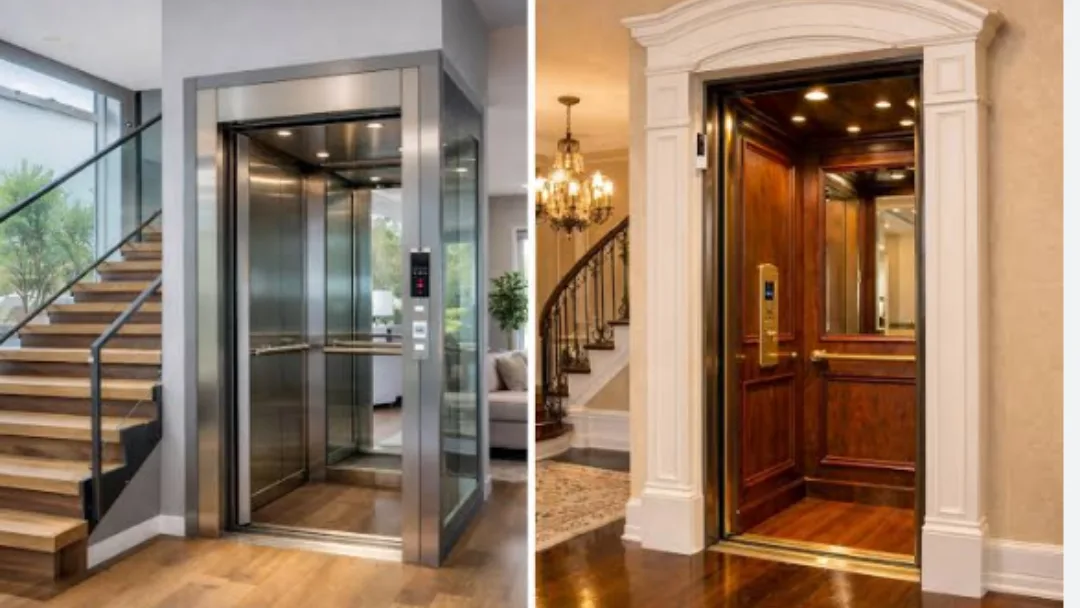
When people buy an elevator for a villa, apartment, office, hotel or any commercial building, they usually check the capacity, speed, design and price. But one thing that really affects your daily experience is elevator noise and vibration. A well-engineered elevator should move you between floors smoothly, without loud sounds, shaking or sudden jerks and this only happens when it is planned properly from the design stage, not fixed after installation.
Why Should You Care About Elevator Noise and Vibration?
Some sound is normal in any elevator motors, doors and moving parts will always make a little noise. The goal is to control the extra noise and vibration so passengers feel comfortable at every ride.
This matters even more if the elevator shaft is located near:
- Bedrooms
- Hotel rooms
- Offices and meeting rooms
- Hospital rooms
- Premium residential units
In these spaces, even a small mechanical sound can feel disruptive. If a lift starts or stops suddenly, or shakes while moving, ride comfort should be treated as a core buying criterion not an afterthought.
Why Do Some Elevators Vibrate?
Elevator vibration cannot be diagnosed just by listening or taking a single ride. It can come from several sources at once:
- Guide rail alignment issues
- Loose mechanical parts
- Motor and drive settings
- Fast acceleration or braking
- Door adjustment problems
- Structural connections
- Poor installation
- Old or worn-out parts
- The building structure itself
- Lack of regular maintenance
Guide rails play a particularly important role, since they keep the car moving in a straight path misalignment here is one of the most common causes of shaking and noise. Sometimes the source isn’t even inside the lift at all: vibration can travel through the building’s own structure, so the ride may feel fine inside the cabin while people in the next room still hear it.
Normal Noise vs Problem Noise: Key Differences
|
Factor |
Normal Elevator Sound |
Sign of a Problem |
|
When it happens |
Brief sound during start, stop or door movement |
Continuous noise throughout the ride |
|
Location |
Contained within the cabin/machine room |
Noticeable in rooms next to the shaft |
|
Consistency |
Same sound level every trip |
Noise or vibration changes floor to floor |
|
Door operation |
Smooth, low-level mechanical sound |
Loud bangs, grinding or delayed movement |
|
Ride feel |
Smooth start, stop and leveling |
Jerks, shaking or sudden stops |
|
Cause |
Normal motor and moving-part operation |
Misalignment, loose parts or poor installation |
If your elevator shows signs in the right-hand column, it’s worth having the system inspected rather than assuming it will settle over time.
How to Make Your Elevator Quieter
If you’re looking for ways to reduce elevator noise, the first step is identifying where the sound is coming from soundproofing material alone won’t fix a mechanical issue. Choosing the right elevator services and maintenance support can help identify potential causes and maintain smooth, quiet operation over time.
Choose the Right Drive System
The motor and drive ensure smooth elevator movement, based on height, traffic, load, and usage.
Install Guide Rails Properly
Properly aligned and secured guide rails ensure smooth elevator movement and should be checked during installation.
Use Proper Vibration Control
Special mountings and isolation pads can reduce vibration transfer, depending on the lift type and building structure.
Adjust the Doors Correctly
Misaligned doors can cause noticeable noise, especially in high-traffic buildings.
Do Regular Maintenance
Regular maintenance helps prevent worn parts and settings from causing noise. Altivex provides maintenance and after-sales support.
How Is Elevator Noise Tested?
Testing confirms whether noise levels are normal or indicate an underlying issue. It’s typically carried out in:
- Inside the cabin
- Near the landing doors
- Rooms adjacent to the shaft
- The machine room
- The area above or below the lift
- Any location where vibration could spread
The goal isn’t just a decibel reading it’s understanding when and where the noise occurs. Door noise and travel noise have different root causes, and vibration limited to one floor points to a different issue than vibration present throughout the whole run. Proper testing should also be considered alongside relevant elevator safety standards in the UAE.
What to Ask Before You Buy an Elevator
Don’t compare price and capacity alone. Also check:
Ride Comfort: How smooth is the start, stop and floor leveling? Critical for villas, hotels, hospitals and premium offices.
Parts Used: Motor, drive, guide system, door mechanism and cabin quality all work together for a quiet ride.
Installation Quality: Even the best lift can perform poorly if installed incorrectly. Ask about the elevator installation process, testing, and commissioning.
Building Coordination: Shaft size, machine placement and nearby rooms all affect noise the lift should be planned around your building, not the other way around.
Maintenance: Ask whether regular maintenance and fast support are included this is what keeps a lift quiet for years.
Customisation: A villa needs a different lift than a hotel or warehouse. Altivex provides passenger lifts, home lifts, car lifts, cargo lifts and stair lifts matched to the project.
Conclusion
Buying an elevator isn’t just about how it looks or how much it can carry it’s about how it feels every single day. Instead of waiting until people complain about noise and vibration, it’s better to raise these points with your supplier at the very beginning. Equipment selection, proper installation, correct building coordination and timely maintenance together deliver a smooth, quiet and safe ride.
If you’re looking for a customised elevator solution, contact Altivex Elevators Elevator Company in UAE
for project-specific design, manufacturing and support.
FAQ
1. Can vibration issues be fixed after an elevator is already installed?
In many cases yes, depending on the cause options may include re-aligning guide rails, adjusting components or adding isolation mountings, following a proper inspection.
2. Does every elevator need special vibration isolation?
Not necessarily. The right approach depends on the building type, shaft location and proximity to noise-sensitive rooms such as bedrooms or offices.
3. How do I know if my elevator's noise is a serious problem?
If the sound is continuous, changes suddenly, or is noticeable in rooms next to the shaft, it’s worth having the system inspected rather than assuming it’s normal wear.
4. What are the common causes of elevator vibration?
Common causes include guide rail misalignment, worn components, drive settings, poor installation, structural connections, and inadequate maintenance.
Our Services
Elevator Manufacturing | Elevator Supply | Elevator Installation
Ready to Install Our Elevators?
Book a free consultation with Altivex today!
Our Specialities!
Trusted world wide| Free Installation | EU Standards | 5-Year Warranty | Fast 14-Day Delivery — Suitable for Residential, Commercial & Industrial Applications